Why study history + data science?
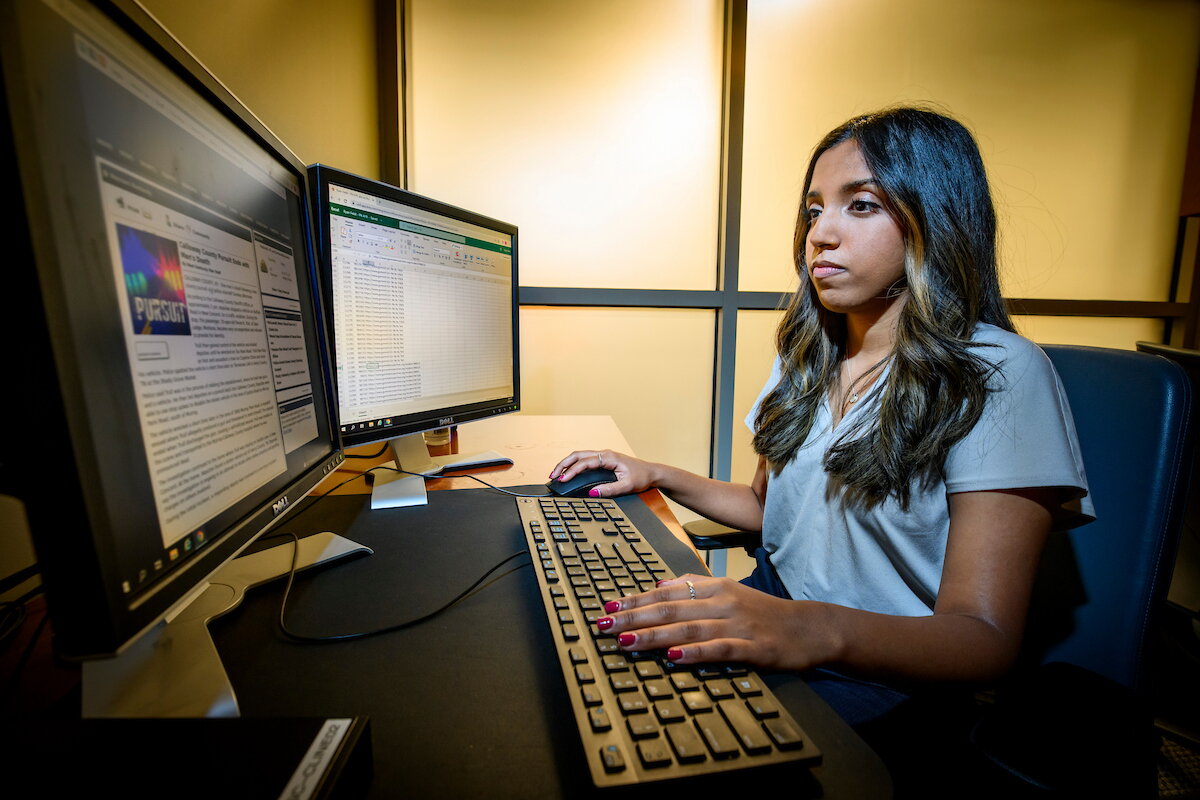
Our innovative history + data science major offers you a unique journey that combines the analytical power of data science with a nuanced understanding of history.
Data science teaches you how to collect, organize, and analyze data. History gives you the context to discover the story hidden within the data and the communication skills to craft a narrative around it.
Data literacy and analysis skills have become increasingly valuable across almost all industries. In our program you'll apply a historian's training and insights to data and become prepared for a wide variety of data-informed careers.
This program is part of the data science + initiative at the University of Illinois which allows students to pair the study of data science with coursework in another discipline.
Apply to History + DS
Please read the information below for guidance on how to apply to the History + Data Science major.
- Current students can transfer into the major in Spring 2027.
- Transfer students can apply in Spring 2027 for enrollment in Fall 2027.
- First-year incoming students applying in Fall 2026 for enrollment in Fall 2027, can apply as a history major, and transfer into the program during their first year.
- First-year incoming students can apply directly to the program in Fall 2027 for enrollment in Fall 2028.
Please reach out to our advisors if you have any questions.
Title
Skills you'll gain as a history + data science major
- Advanced analytical and critical thinking: Develop advanced analytical skills to analyze historical data, extract patterns, and draw meaningful conclusions using state-of-the-art data analysis techniques. You'll also cultivate critical thinking skills by evaluating historical sources and integrating data-driven insights to contextualize historical events within broader frameworks.
- Quantitative reasoning and data analysis: Acquire proficiency in quantitative reasoning and data manipulation, enabling you to apply statistical methods and computational tools to historical data for insightful interpretations.
- Data information management: Gain expertise in managing and manipulating historical data. Learn data acquisition, storage, and organization techniques, ensuring the integrity and accessibility of historical datasets.
- Effective communication: Hone your communication skills and learn how to make complex ideas accessible to diverse audiences. You'll learn to craft compelling narratives that integrate qualitative historical arguments and quantitative evidence.
- Research proficiency: Master the research process, from formulating original historical questions to sourcing, evaluating, and synthesizing information. You'll learn how to produce rigorous and well-grounded research projects.
- Practical data science application: Gain hands-on experience in data acquisition, visualization, and management, preparing you to navigate real-world historical data challenges.
Title
History + data science program highlights
Our flexible program combines academic learning with real-world experiences that will enhance your education, skill development, and career readiness:
Research opportunities: Engage in research projects that integrate historical analysis with data science methods.
Field experiences: Participate in field experiences such as site visits, data collection projects, and collaborative workshops to gain hands-on experience navigating historical data challenges.
Community engagement: Engage with local communities through projects that address historical and data-driven challenges faced by the community.
Collaboration with industry experts: Interact with industry leaders and professionals through guest lectures, workshops, and mentorship opportunities. Learn current industry practices and establish connections for future career opportunities.
Capstone project: Conclude your intellectual journey with a capstone project that showcases your ability to integrate historical understanding and data science techniques to answer compelling research questions. This project will allow you to hone your abilities, build a portfolio, and demonstrate your readiness for the workforce.