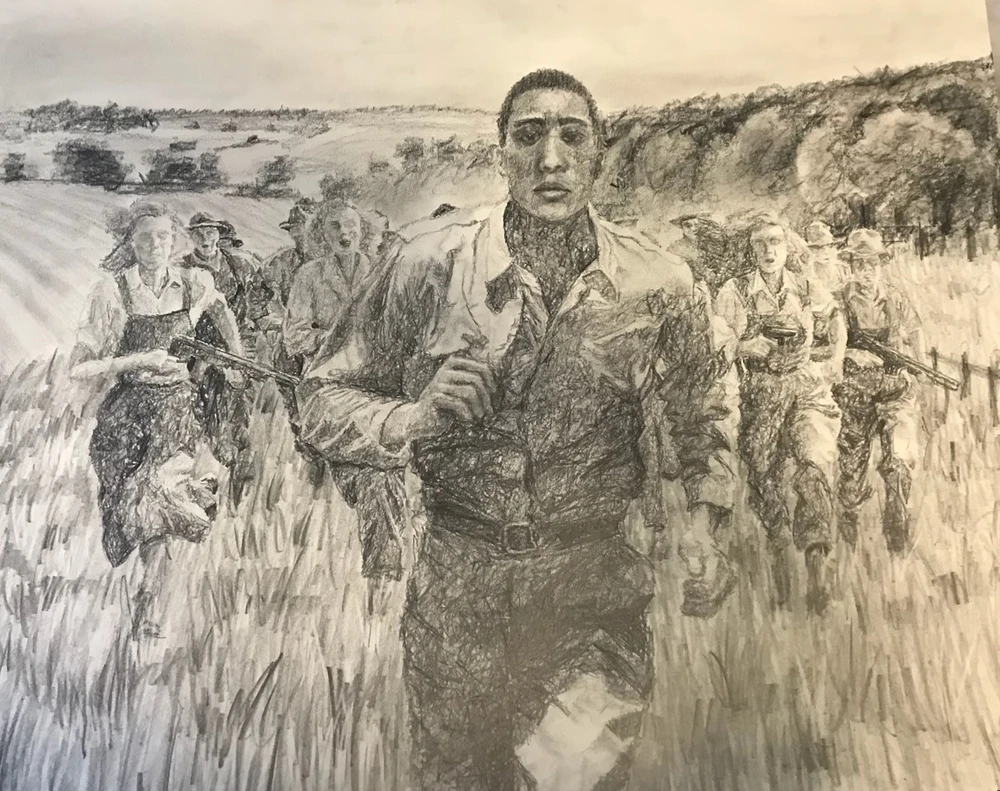
In the fall of 1942, James Person, a WWII veteran from Somerville, Tennessee, boarded a freight train bound for Chicago. He was likely suffering from mental illness after being honorably discharged from the military earlier that year and no longer felt safe at home. He left the train in Libertyville, Indiana for unknown reasons and began walking.
He went to the back door of homes to ask for food and water, an accepted practice for Black Americans in the Jim Crow South. But in the Midwest, it set off a panic. Rumors spread that an unidentified Black man was roaming the town attempting to molest white women. One woman called the sheriff’s department, who assembled a group of deputies and civilians to apprehend Person. They were ordered to shoot to kill if necessary.
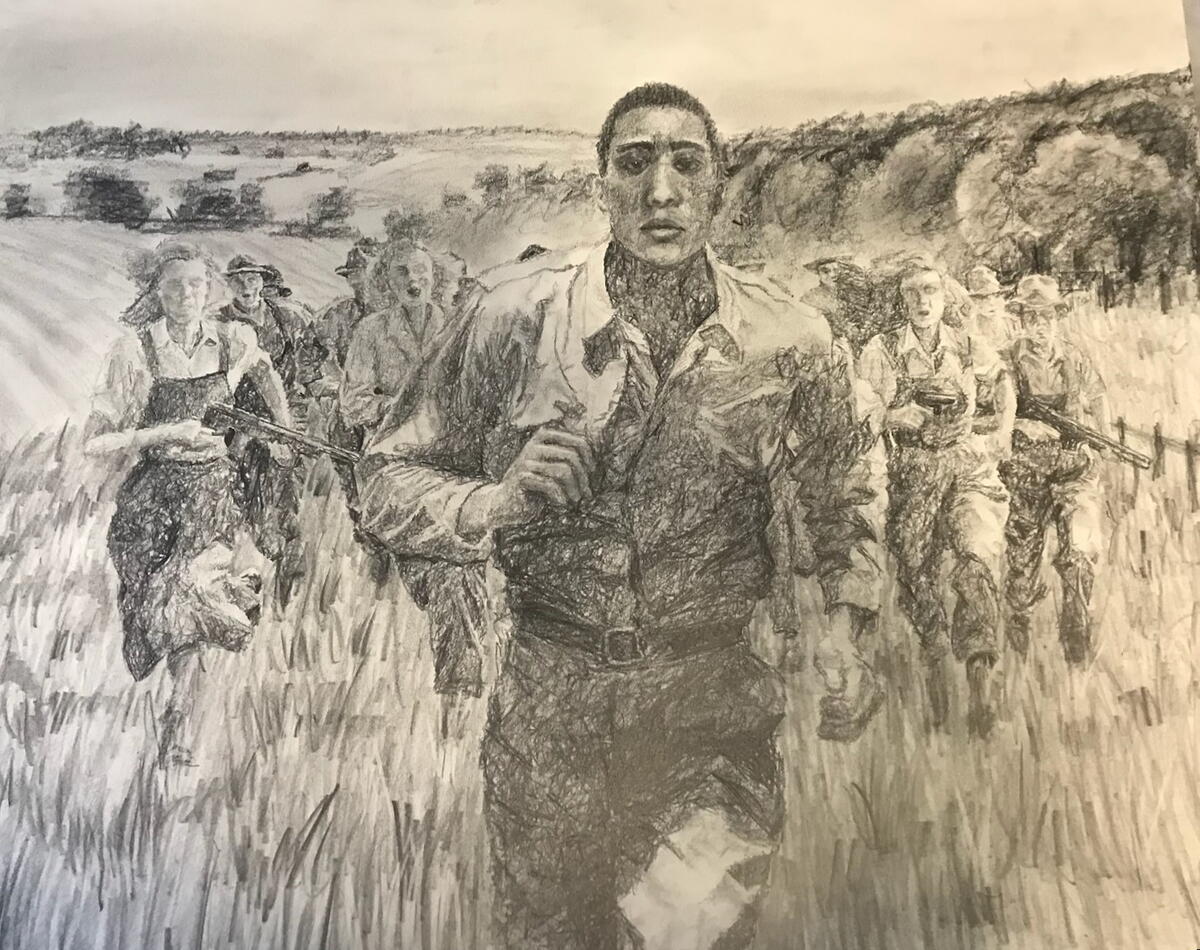
They chased Person across the border to Edgar County, Illinois. Residents made phone calls on the party line to report on his whereabouts. One woman, Lona Sticklers, made the call while her husband talked to Person outside their home after he approached them for food and water. The mob soon arrived and shot Person down while he attempted to flee. Over 60 shotgun pellets were fired into his back along with shots to his leg and abdomen. His body lay in the field where he was murdered for 44 days before his remains were found and his family was notified.
Person’s case was one of the earliest lynchings in the 20th century, outside of the South, to result in an indictment and conviction of white citizens for violating the civil rights of a Black citizen.
“He's doing everything he would do in the South. He's following this Jim Crow protocol, but it just does not work in the rural Midwest. That makes me sad because he's doing everything he knows how to do to navigate white supremacy and it still gets him killed,” said alumnus Renatto Carr (BA, ’94, history), who is the first scholar to study James Person’s case in-depth.
Anti-Black violence in the Midwest
Carr recently published his research in the Journal of African American History article “Come as You Are, Hoods not Required: The 1942 Lynching of James Edward Person.” He has spent his career working in the criminal justice system as a probation officer and now studies the history of anti-Black violence. He earned a master’s degree in criminal justice and his PhD in historical studies from Southern Illinois University Edwardsville where he is now a lecturer.
He credits his time at the University of Illinois Urbana-Champaign as the foundation for his career and was even in touch with several of his former professors, including James Anderson, James Barrett, Vernon Burton, and Dianne Pinderhughes while conducting research on Person. He said the mentorship and education he received as a history major helped him develop an intellectual framework to understand the history and experiences of Black Americans in the United States.
“I know I would not be here if it was not for my professors at the University of Illinois,” said Carr.
Carr first came across James Person’s case while conducting research for his dissertation on African Americans in East St. Louis who fled the area across the “Free Bridge” during a series of violent attacks on Black residents by white mobs in 1917 (also known as the East St. Louis Riot). The topic was inspired by the story of his great-grandfather. His findings were limited, but he came across several articles about the trial for the lynching of James Person and decided to switch topics.

“I knew it was very rare for whites to be indicted for violating a Black person's civil rights in 1942. That was very rare,” he said. “And the fact that it was in Paris, Illinois in Edgar County and you don't hear about a lot of anti-Black violence in the Midwest.”
He said one reason he thinks the case has been overlooked in scholarship is because it happened in the rural Midwest, where the history of anti-Black violence hasn’t received as much scholarly attention as in the South.
“The Midwest is viewed as this promised land. It makes sense. Millions of Black people fled the South during the Great Migration. My ancestors were part of that, but in my great grandfather's instance, he fled Starkville, Mississippi based on economic, political, and physical violence and ran right into an anti-Black riot in East St. Louis,” he said.
Carr said he wants to help audiences understand how white supremacy operated in both similar and distinct ways in the rural South and the rural Midwest during the Jim Crow era.
“One of my premises within this whole story on Person is that white supremacy in the Midwest moves differently. It's violent, but it's a different movement. Whites have a different level of anxiety because in the Midwest, there are laws on the books saying you cannot discriminate. But at the same time, most schools are segregated,” he said.
Uncovering the details of Person's case
One of the first things Carr did was request the FBI file, which he said was critical to understanding what happened to Person. He learned that after Person was honorably discharged from the military he began acting oddly. When cars drove by their house he hid behind the curtains and told his parents that people were trying to kill him. Concerned for his well-being, his parents consulted with a white doctor who diagnosed him with “persecution complex.” Person left for Chicago before his parents could check him in at a VA hospital in Tennessee.
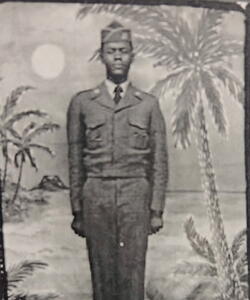
While conducting research, Carr also got in touch with Person’s niece, Carolyn Person Cooper, who asked him to center James Person’s humanity in his work. Carr said lynching scholarship tends to focus on the assailants rather than the victims.
“They wanted me to get this story right. To make sure to put not only James’ personal humanity up front, but put the family's pain and suffering up front,” he said. “Justice has not only eluded the Person family, but many of their questions about the case remain unanswered, as the individuals involved carried those details with them to their graves.”
Thirteen people were initially charged with Person’s death, including four sheriffs and nine civilians. The charges against the sheriffs were dropped as they weren’t present at the scene of the crime, though they gave orders to shoot to kill Carr said. The civilians entered pleas of nolo contendere (no contest) and received a $200 dollar fine each.
“So James Person's life was worth $1,800. But it still goes down as a conviction. Those men got to return home, go back to Edgar County, go back to Vigo County, and never publicly reckon with the fact that they killed a man. And James Person's family just suffered and suffered,” said Carr.
The search for Person's grave
Carr is currently helping the family locate Person’s grave in Edgar Cemetery in Paris, IL. Though the cemetery was segregated until 1968, he was unable to locate Person in the Black section and said cemetery officials denied the section’s existence when he contacted them. Through his own research he confirmed that the cemetery was segregated, except for an integrated pauper section where he eventually located Person’s grave.
“So James Person was considered a pauper. He’s buried in an integrated, predominately white section of the cemetery,” he said.
Person’s family is considering having his remains reinterred in a veteran cemetery near Memphis so he can be buried with dignity. Carr has reached out to the Edgar County Attorney General for help if the family makes the decision to move him.
“He’s been in that cemetery for 84 years, so I’d like for them to get him out of there, but it’s not my call,” said Carr.
Carr eventually hopes to transform his dissertation on Person into a book so more people can hear his story.