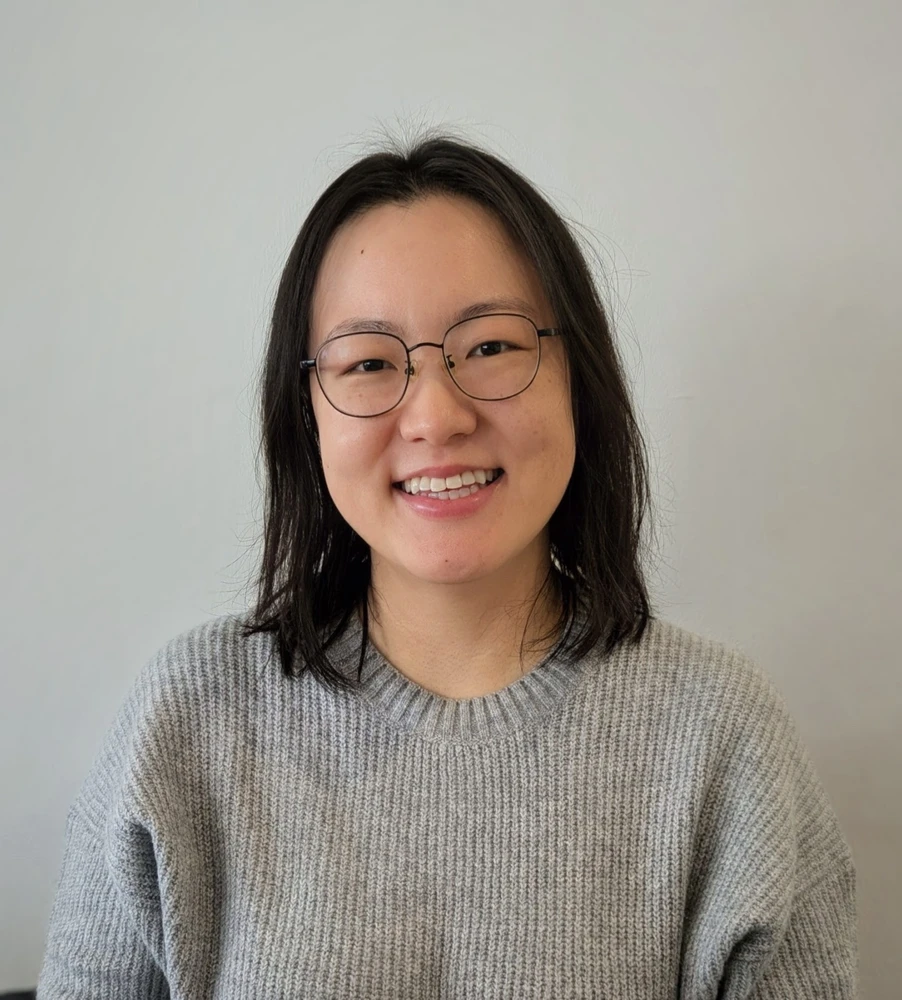

Meet Hanna Jin (BA, '19, history and psychology), a data analyst on the Annual Giving team at the University of Colorado Boulder. She credits her history degree with teaching her the ability to synthesize large quantities of information and communicate clear insights—core skills that she draws on in her work as a data analyst.
Read on for a Q&A with Jin to learn more about her career.
Why did you decide to pursue a degree in history?
I always enjoyed history classes in high school. I entered my freshman year as undecided but as I took courses in history, I became curious and wanted to better understand how past decisions can shape current systems.
Did you pursue additional higher education after undergrad?
I did not pursue higher education right after graduating. Instead, I focused on entering the workforce and developing technical skills. I spent time learning tools like Excel, data visualization platforms, and reporting tools.
What was your first job after college?
My first job after college was as a payroll processing role at a homecare company. Like many recent graduates, it wasn’t necessarily my long-term goal, but it was a great learning opportunity. Since it was a smaller organization, I had to learn quickly, solve problems independently, and communicate clearly with employees and managers.
What is your current career and how does your degree in history inform your work?
I am currently a fundraising data analyst on the Annual Giving team at the University of Colorado Boulder. I analyze donor behavior, giving trends, and campaign performance to inform strategy. The ability to synthesize large amounts of information and communicate clear insights can be directly connected to my history degree.
History teaches you how to work with incomplete information, identify patterns, evaluate sources, and build evidence-based arguments. Something that really stood out to me was how history is fundamentally about analyzing data. It might not always look like numbers, but primary sources, journal articles, archival documents and speeches are all forms of data. You start with one question, evaluate the information in front of you, identify the patterns, and then construct a narrative that’s supported by evidence.
What do you enjoy about your work?
I enjoy combining technical problem-solving and strategic thinking. I get to work with data, build reports, and translate complex information into something actionable, and those insights support a mission-driven goal. I also appreciate that the work is very collaborative. Data doesn’t exist in a vacuum just like history. It informs decisions made by colleagues across teams.
What does a typical workday look like for you? Also, what is an example of the most interesting aspect of your job?
My typical workday can vary, but it usually involves a mix of analytical work and meetings with my team and external teams. I might be creating or validating a new dashboard, analyzing donor audiences to better understand engagement and giving patterns, or troubleshooting an existing report. I also meet with colleagues to discuss reporting and data strategies, review dashboards together, and translate data insights into actionable plans. I enjoy the variety in my week. It gives me an opportunity to move between both technical problem-solving and collaborative strategy work.
What advice do you have for students interested in pursuing work in your field?
If you’re studying history, you’re already learning how to work with data. Evaluating sources, identifying bias, and constructing arguments are all foundational skills. Seek out internships, jobs, or online courses that help you build technical skills like Excel, SQL, or data visualization platforms. The combination of critical thinking and technical skills will be extremely helpful.
Also don’t be discouraged if your first job isn’t your ideal role. First jobs are often about building skills and growing confidence. Focus on what you’re learning and be intentional about how you leverage those skills.
What is your proudest achievement?
I’m proud of how I’ve continued to grow and adapt since graduating. My first job after college wasn’t exactly what I originally thought would be my long-term career, but it gave me the opportunity to develop problem-solving skills, learn new systems, and build confidence in a professional environment. From there, I leaned into developing technical and analytical skills, and this helped me transition into a data analytics role in the nonprofit and advancement world.